http://www.youtube.com/watch?feature=player_embedded&v=Lni6OAJz3sk
Copy and paste these links
http://www.youtube.com/watch?v=AaQ_oDXWWmQ&feature=youtu.be
Monday, October 22, 2012

Toxic Alert
- Last year, Bt toxin originating from genetically engineered Bt crops were found in 93 percent of pregnant women tested and 80 percent of umbilical blood in their babies. Now, results from a German study shows that people who have no direct contact with agriculture have significant concentrations of glyphosate in their urine. Glyphosate is the active ingredient in many broad-spectrum herbicides, including Roundup
- Urine samples collected from city dwellers in Berlin all tested positive for glyphosate, with values ranging from 0.5 to 2 nanograms per milliliter (ng/ml), which is five to 20 times the permissible upper limit for glyphosate in German drinking water
- Research published in 2010 showed that the chemical causes birth defects in frogs and chicken embryos at far lower levels than used in agricultural and garden applications
- Glyphosate has also been linked to decimation of intestinal probiotics, endocrine disruption, DNA damage, developmental and reproductive toxicity, and more
Thursday, October 18, 2012
Homemade coconut milk
A simple method using organic dried coconut, this homemade coconut milk is perfect in traditional Asian recipes and also as a base for smoothies and hot beverages.
Ingredients:
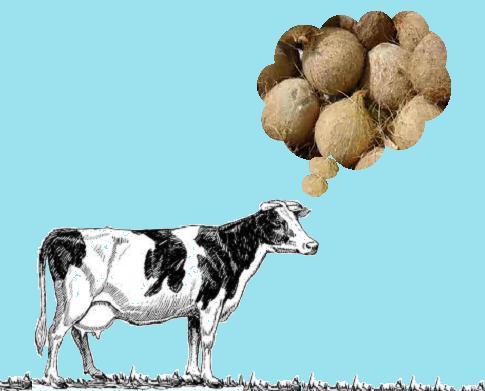
2 cups organic finely desiccated coconut; no sulfur / 202 / 200 added

Ingredients:
2 cups organic finely desiccated coconut; no sulfur / 202 / 200 added
3 cups warm filtered water (makes it easier to blend together)
Tools you'll need:
Fine muslin cloth, nut milk bag or a thin kitchen towel
Blender
Method:
1. Place the coconut in a blender with the 3 cups of water. Blend 2-3 minutes on high and pour out the mixture into a bowl lined with the cloth.
2. Bring the cloth edges together. Gently strain and squeeze through your 'milk'. Keep gently squeezing the pulp until it's dry.
3. Use milk straight away or keep sealed in a jar in the fridge for up to 2 days. It will separate: just shake it back together.
4. Reserve left-over pulp; keep in kip-lock bag in fridge or freezer.
Coconut oil and coconut milk supports healthy metabolic function and is a revered anti-bacterial, anti-viral and anti-fungal agent. Pacific Islanders deem coconut oil to be the cure-all gift from nature for an illness. You can always use canned coconut milk, however we do recommend finding a brand that contains no preservatives (sulfur / 220 / 202) or stabilisers (guar gum), mineral added water, and ideally in BPA-free cans.
Coconut milk works great as an alternative to milk in chai tea and cold or hot chocolate. Great as a base for smoothies: blend with ice and fresh pineapple for a healthy Pina Colada!
Tools you'll need:
Fine muslin cloth, nut milk bag or a thin kitchen towel
Blender
Method:
1. Place the coconut in a blender with the 3 cups of water. Blend 2-3 minutes on high and pour out the mixture into a bowl lined with the cloth.
2. Bring the cloth edges together. Gently strain and squeeze through your 'milk'. Keep gently squeezing the pulp until it's dry.
3. Use milk straight away or keep sealed in a jar in the fridge for up to 2 days. It will separate: just shake it back together.
4. Reserve left-over pulp; keep in kip-lock bag in fridge or freezer.
Coconut oil and coconut milk supports healthy metabolic function and is a revered anti-bacterial, anti-viral and anti-fungal agent. Pacific Islanders deem coconut oil to be the cure-all gift from nature for an illness. You can always use canned coconut milk, however we do recommend finding a brand that contains no preservatives (sulfur / 220 / 202) or stabilisers (guar gum), mineral added water, and ideally in BPA-free cans.
Coconut milk works great as an alternative to milk in chai tea and cold or hot chocolate. Great as a base for smoothies: blend with ice and fresh pineapple for a healthy Pina Colada!
More GMOs on the way
The consumer advocacy organization Environmental Working Group (EWG) has put out a new paper that estimates the average person's yearly consumption of genetically-modified organisms (GMOs). And based on the figures, which EWG admits are very likely understated, the average person consumes more than their own body weight's worth of GMOs every single year, a shocking reality with unknown, long-term health consequences.
For their study, EWG researchers compiled data from 2011 U.S. Department of Agriculture (USDA) data sheets on average per capita consumption of various GM foods, including corn-based sweeteners like corn syrup, salad oils, and various other "corn products" like corn oil and corn meal. They then analyzed these figures based on the percentages of each of the crops used to make these products that are genetically engineered in the U.S.
The average adult in America, it turns out, weighs 179 pounds, and consumes an average of 193 pounds of GM corn-based products and salad oils every year. And when various other GMOs are added into the mix that were not included as part of the original study -- in addition to corn and sugar beets, soybean oil and other soy-based products, conventional papaya, and canola oil are all widely consumed foods of GM origin as well -- the contrast between body weight and GMO consumption widens even more significantly.
"From these figures, EWG calculated that the average American annually consumes genetically engineered foods in these quantities: 68 pounds of beet sugar, 58 pounds of corn syrup, 38 pounds of soybean oil and 29 pounds of corn-based products, for a total of 193 pounds," says EWG.
And the really bad news is that, unless GMO labeling laws like Proposition 37 in California are passed in the very near future, the biotechnology industry will continue to secretly release evermore GMOs into the food supply. In the next few decades, in fact, Americans will very likely be subjected to a whole host of new, undisclosed GMOs if mandatory GMO labeling does not become a national standard.
"EWG considered only three genetically engineered crops (for its study), but more than 30 others are currently being tested in field trials, including apples, barley, bell peppers, cabbage, carrots, cauliflower, cherries, chili peppers, coffee, cranberries, cucumber, flax, grapefruit, kiwi, lentils, lettuce, melons, mustard, oats, olives, onions, peanuts, pears, peas, persimmons, pineapple, radishes, strawberries, sugar cane, sunflower, sweet potatoes, tomatoes, walnuts and watercress," adds EWG.
"While it is unclear how long it may take for these new genetically engineered crops to reach the market, this long list makes it likely that people could be eating two or three times their weight in GE food annually within the next decade."
To learn more about California's efforts to become the first U.S. state to mandate GMO labeling at the retail level, visit: http://www.carighttoknow.org/
Also, be sure to check out the hard-hitting new documentary Genetic Roulette by award-winning author, filmmaker, and Executive Director of the Institute for Responsible Technology (IRT), Jeffrey Smith: http://geneticroulettemovie.com/
Learn more: http://www.naturalnews.com/037590_GMOs_Americans_consumption.html#ixzz29iKL4SiH
For their study, EWG researchers compiled data from 2011 U.S. Department of Agriculture (USDA) data sheets on average per capita consumption of various GM foods, including corn-based sweeteners like corn syrup, salad oils, and various other "corn products" like corn oil and corn meal. They then analyzed these figures based on the percentages of each of the crops used to make these products that are genetically engineered in the U.S.
The average adult in America, it turns out, weighs 179 pounds, and consumes an average of 193 pounds of GM corn-based products and salad oils every year. And when various other GMOs are added into the mix that were not included as part of the original study -- in addition to corn and sugar beets, soybean oil and other soy-based products, conventional papaya, and canola oil are all widely consumed foods of GM origin as well -- the contrast between body weight and GMO consumption widens even more significantly.
"From these figures, EWG calculated that the average American annually consumes genetically engineered foods in these quantities: 68 pounds of beet sugar, 58 pounds of corn syrup, 38 pounds of soybean oil and 29 pounds of corn-based products, for a total of 193 pounds," says EWG.
With more new GMOs on the way, consumption patterns expected to increase dramatically
These figures are only estimates, of course, as some Americans are health savvy enough to avoid many of the common GMO ingredients and additives used in conventional foods, while others chug down excess amounts of corn syrup-laden sodas and soy-glutted condiments and sauces like it is nobody's business. But the fact of the matter is that Americans as a whole are being used as human guinea pigs in a massive biotechnology experiment with uncharted ramifications.And the really bad news is that, unless GMO labeling laws like Proposition 37 in California are passed in the very near future, the biotechnology industry will continue to secretly release evermore GMOs into the food supply. In the next few decades, in fact, Americans will very likely be subjected to a whole host of new, undisclosed GMOs if mandatory GMO labeling does not become a national standard.
"EWG considered only three genetically engineered crops (for its study), but more than 30 others are currently being tested in field trials, including apples, barley, bell peppers, cabbage, carrots, cauliflower, cherries, chili peppers, coffee, cranberries, cucumber, flax, grapefruit, kiwi, lentils, lettuce, melons, mustard, oats, olives, onions, peanuts, pears, peas, persimmons, pineapple, radishes, strawberries, sugar cane, sunflower, sweet potatoes, tomatoes, walnuts and watercress," adds EWG.
"While it is unclear how long it may take for these new genetically engineered crops to reach the market, this long list makes it likely that people could be eating two or three times their weight in GE food annually within the next decade."
To learn more about California's efforts to become the first U.S. state to mandate GMO labeling at the retail level, visit: http://www.carighttoknow.org/
Also, be sure to check out the hard-hitting new documentary Genetic Roulette by award-winning author, filmmaker, and Executive Director of the Institute for Responsible Technology (IRT), Jeffrey Smith: http://geneticroulettemovie.com/
Learn more: http://www.naturalnews.com/037590_GMOs_Americans_consumption.html#ixzz29iKL4SiH
Herbs ease the burden of diabetes
The following herbs and natural remedies may help, thanks to research demonstrating their natural proclivity for easing the burden of diabetes management.
Other nutritive solutions for managing diabetes include eating more onions and garlic, whose sulfur-containing allyl propyl disulfide (APDS) helps the body to make better use of insulin (which is also a disulfide) by competing with it for insulin-inactivating sites in the liver. The result is that the body has more free insulin available for use in the glucose-to-energy conversion process, and blood sugar levels decrease.
Carefully supervised food-based magnesium and chromium supplementation may also prove beneficial, as deficiencies of both minerals are common in people with diabetes. Studies suggest that appropriate levels of these minerals may help to improve insulin and overall metabolic function.
Learn more: http://www.naturalnews.com/037585_blood_sugar_diabetes_herbs.html#ixzz29hebsIy5
Gymnema Sylvestre
Known by its Hindi name as the "sugar destroyer," this plant is regarded as one of the most powerful herbs for the regulation of diabetes, Types 1 and 2. Besides reducing cravings for sweets, studies show Gymnema can actually stimulate the body to produce more of its own insulin, by regenerating insulin-making beta cells in the pancreas. Though more extensive studies are pending, the herb has demonstrated no side effects and assumes its sugar-lowering role only in cases of diabetes, at a typical dosage of 200-250 milligrams twice daily.Ginseng
Chinese medicine has made regular use of Asian ginseng for thousands of years, thanks to its demonstrated ability both to amplify the release of insulin from the pancreas and to elevate the number of insulin receptors present. One study indicated that 200 milligrams of ginseng extract per day over an eight-week period improved mood, blood sugar control, body weight and energy levels in Type 2 diabetics. A separate study on the North American variety indicates the herb significantly prevented oxidative stress and may even help diabetics to protect against kidney disease.Gingko biloba
Because of its effective increase of blood flow to areas such as the brain, the limbs and the extremities, ginkgo is regarded as an important element in the treatment of vascular insufficiency - especially as it relates to diabetes, where poor circulation can have severe consequences. Clinical studies have shown the herb can prevent diabetic retinopathy in diabetic rats and may, therefore, be similarly effective in humans. For these purposes, a typical dosage of Ginkgo extract is 40-80 milligrams (at a concentration of 24 percent ginkgo flavoglycoside) three times daily.Nopal leaves
Studies show the profound effects of this Mexican herbal remedy on everything from improved blood sugar and cholesterol levels, to the prevention of cardiovascular disease and cancer. Traditionally served with eggs, in salads or as part of a stir-fry dish, the nutritive richness of this otherwise unusual morsel is earning it greater recognition as a "functional food" by health enthusiasts. Just a one cup serving is packed with fiber, pectin, antioxidant vitamins A and C, trace amounts of vitamin K and folate as well as several essential minerals, like calcium, magnesium, potassium and phosphorous.Other nutritive solutions for managing diabetes include eating more onions and garlic, whose sulfur-containing allyl propyl disulfide (APDS) helps the body to make better use of insulin (which is also a disulfide) by competing with it for insulin-inactivating sites in the liver. The result is that the body has more free insulin available for use in the glucose-to-energy conversion process, and blood sugar levels decrease.
Carefully supervised food-based magnesium and chromium supplementation may also prove beneficial, as deficiencies of both minerals are common in people with diabetes. Studies suggest that appropriate levels of these minerals may help to improve insulin and overall metabolic function.
Learn more: http://www.naturalnews.com/037585_blood_sugar_diabetes_herbs.html#ixzz29hebsIy5
Wednesday, October 17, 2012

Fall gardening
The best part of fall gardening is planting greens.
Besides wearing long sleeves and farming under the Harvest Moon, growing greens is my favorite part of fall gardening. I think it is absolutely brilliant how, with a small bit of work and some simple protection, you can grow greens and radishes deep into the winter months.
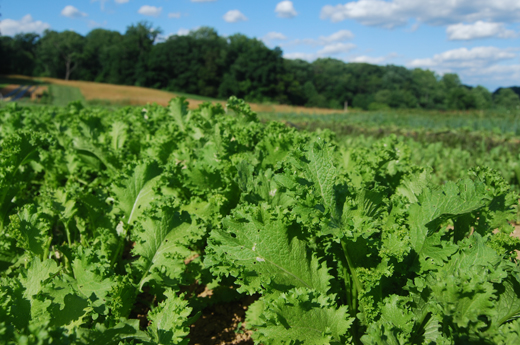
We start reseeding greens in late August and continue until the middle of October. Right now, we’re planting tons of mustard greens, arugula, and radishes, all of which taste so different after they get hit with cool nighttime temperatures, you will not even recognize them from their summertime counterparts.
All you need to have a successful fall/winter garden are some row covers, which are made from a very thin material that covers the crops, keeping out any late-season bugs, as well as protecting them from an early frost. You may have to take the cover off during the day, since we can still get into the 80s, but it’s worth it to be able to eat fresh greens in December. As the temperatures get close to freezing you may have to add another layer to protect them, but these crops love the cold and will live so much longer than you could ever imagine.
Happy fall gardening!
Subscribe to:
Posts (Atom)